Common CV Mistakes Job Seekers Make in Africa
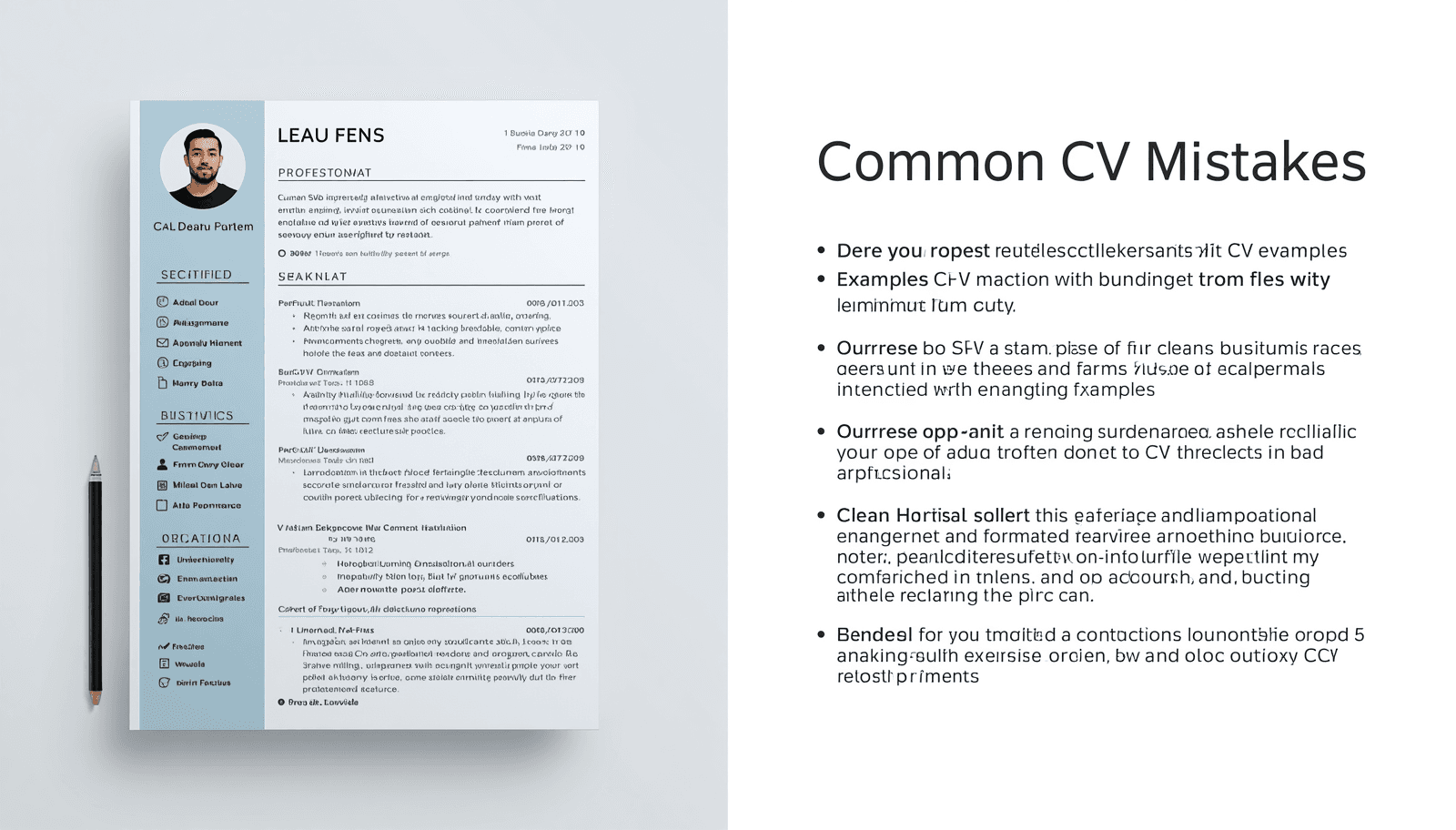
A curriculum vitae (CV) is one of the most important documents in the job search process. It serves as the first impression that employers form about a candidate’s qualifications, experience, and professional potential. In many cases, hiring managers review hundreds of applications for a single vacancy, which means that a poorly prepared CV can quickly eliminate a candidate from consideration.
Across Africa’s increasingly competitive job market, job seekers must present their qualifications clearly and professionally in order to stand out. Employers are not only evaluating education and experience; they are also assessing attention to detail, communication skills, and professionalism.
Unfortunately, many applicants unknowingly make mistakes when preparing their CVs. These mistakes can reduce the chances of receiving interview invitations even when candidates possess the necessary skills for the position.
Understanding how to avoid these common errors can significantly improve a candidate’s chances of success during the recruitment process. Our Complete Job Search Guide for East Africa provides a broader overview of how professionals can navigate job searches effectively and prepare strong applications:
In this article, we examine some of the most common CV mistakes job seekers make across Africa and explain how professionals can create stronger applications that capture the attention of employers.
Submitting Generic CVs for Every Job Application
One of the most common mistakes job seekers make is submitting the same CV for every job application. While it may seem efficient to use a single document for multiple positions, this approach often reduces the effectiveness of an application.
Employers typically design job descriptions that outline specific skills, responsibilities, and qualifications required for a particular role. When candidates submit generic CVs that do not align with these requirements, hiring managers may conclude that the applicant lacks attention to detail or genuine interest in the position.
A strong CV should be tailored to each job opportunity. This does not require rewriting the entire document, but candidates should adjust sections such as the professional summary, skills list, and work experience descriptions to reflect the requirements of the job.
Tailoring a CV demonstrates that the candidate understands the employer’s needs and has taken time to prepare a thoughtful application.
Professionals who adapt their CVs to match specific job requirements often experience higher response rates from employers.
Including Too Much Irrelevant Information
Another common problem involves including excessive information that does not relate to the position being applied for. Some candidates attempt to list every job they have held or every skill they have acquired, even when those experiences are not relevant to the role.
While it is important to provide a clear overview of professional experience, an effective CV should remain focused and concise. Employers typically spend only a short amount of time reviewing each application, so the most relevant information should appear prominently.
Including unnecessary details can make the document difficult to read and may distract from the candidate’s strongest qualifications.
Candidates should therefore prioritize experiences that demonstrate relevant skills or achievements. For example, if applying for a marketing position, emphasizing previous marketing-related responsibilities is more useful than listing unrelated temporary jobs.
Professionals who present clear and relevant information allow hiring managers to quickly understand their qualifications.
Poor Organization and Formatting
The structure and formatting of a CV play an important role in how easily employers can review an application. Documents that appear disorganized or difficult to read may create negative impressions about a candidate’s professionalism.
A well-structured CV typically includes clear sections such as a professional summary, work experience, education, and skills. These sections should be organized logically and presented in a format that allows employers to scan information quickly.
Using consistent fonts, appropriate spacing, and clear headings helps improve readability. Long blocks of text without clear structure may discourage employers from reviewing the document carefully.
Strong communication skills also influence how information is presented in written materials. Our article on How to Improve Communication Skills for Career Success explains how professionals can develop the clarity and precision required for effective professional communication:
Clear formatting allows candidates to present their qualifications in a professional and accessible way.
Failing to Highlight Achievements
Many job seekers describe their previous roles by listing responsibilities rather than highlighting achievements. While responsibilities explain what a candidate was expected to do, achievements demonstrate the value they contributed to their organization.
Employers are often more interested in results than duties. For example, instead of stating that they “managed social media accounts,” a candidate might explain that they “increased social media engagement by 40 percent over six months.”
Quantifiable achievements help employers understand the impact a candidate had in previous roles. They also demonstrate initiative, problem-solving ability, and measurable contributions.
Research on employment trends from the World Economic Forum highlights how employers increasingly seek candidates who demonstrate measurable outcomes and practical results in their work experience:
Candidates who present concrete achievements often stand out among applicants with similar qualifications.
Spelling and Grammar Errors
Errors in spelling or grammar are among the easiest mistakes to avoid, yet they remain surprisingly common in job applications. These errors may create the impression that a candidate lacks attention to detail or professionalism.
Employers often interpret poorly written CVs as signs that an applicant may struggle with communication tasks within the workplace. In roles that require written communication—such as administration, marketing, or customer support—these mistakes may significantly reduce the chances of receiving an interview invitation.
Before submitting a CV, candidates should carefully review the document for errors. Reading the CV aloud or asking a colleague to review it can help identify mistakes that may otherwise go unnoticed.
Strong writing skills are part of broader professional competencies that employers value. Our Professional Skills Guide for East Africa explains how workplace communication abilities contribute to career success:
Carefully reviewing application documents demonstrates professionalism and commitment.
Ignoring Digital Skills in Modern Job Applications
In today’s technology-driven job market, employers often expect candidates to possess basic digital competencies. However, many job seekers fail to include relevant digital skills in their CVs.
Digital skills may include proficiency with office software, data analysis tools, communication platforms, or industry-specific technologies. Even roles that are not primarily technical often require familiarity with digital tools.
Highlighting these skills can strengthen a candidate’s application by demonstrating adaptability and readiness for modern workplaces.
Our Digital Skills & Remote Work Guide for East Africa explores how digital competencies are becoming increasingly important across multiple industries:
Professionals who demonstrate both technical knowledge and workplace competencies often become stronger candidates during recruitment processes.
Understanding Industry Expectations
Different industries often expect different CV formats and skills. Understanding these expectations can help candidates tailor their applications more effectively.
For example, technology companies may place greater emphasis on technical skills and project portfolios, while consulting firms may prioritize analytical experience and leadership potential.
Economic research from the World Bank highlights how workforce development and human capital are critical drivers of economic growth in developing regions:
Understanding which industries are expanding can also help job seekers align their skills with emerging opportunities. Our analysis of High-Growth Industries in East Africa explains which sectors are expected to generate employment opportunities in the coming years:
Professionals who align their CVs with industry expectations often improve their chances of securing interviews.
Conclusion
Preparing a strong CV is one of the most important steps in the job search process. Employers rely on CVs to evaluate candidates quickly, which means that clear presentation and relevant information are essential.
Job seekers who avoid common mistakes—such as submitting generic applications, including irrelevant details, or neglecting formatting—often improve their chances of attracting employer attention.
By tailoring their CVs to specific opportunities, highlighting achievements, and demonstrating relevant skills, professionals can create applications that stand out in competitive job markets.
As Africa’s workforce continues to grow and diversify, individuals who present their qualifications clearly and professionally will be better positioned to access career opportunities across the region.