How to Prepare for Job Interviews in Africa
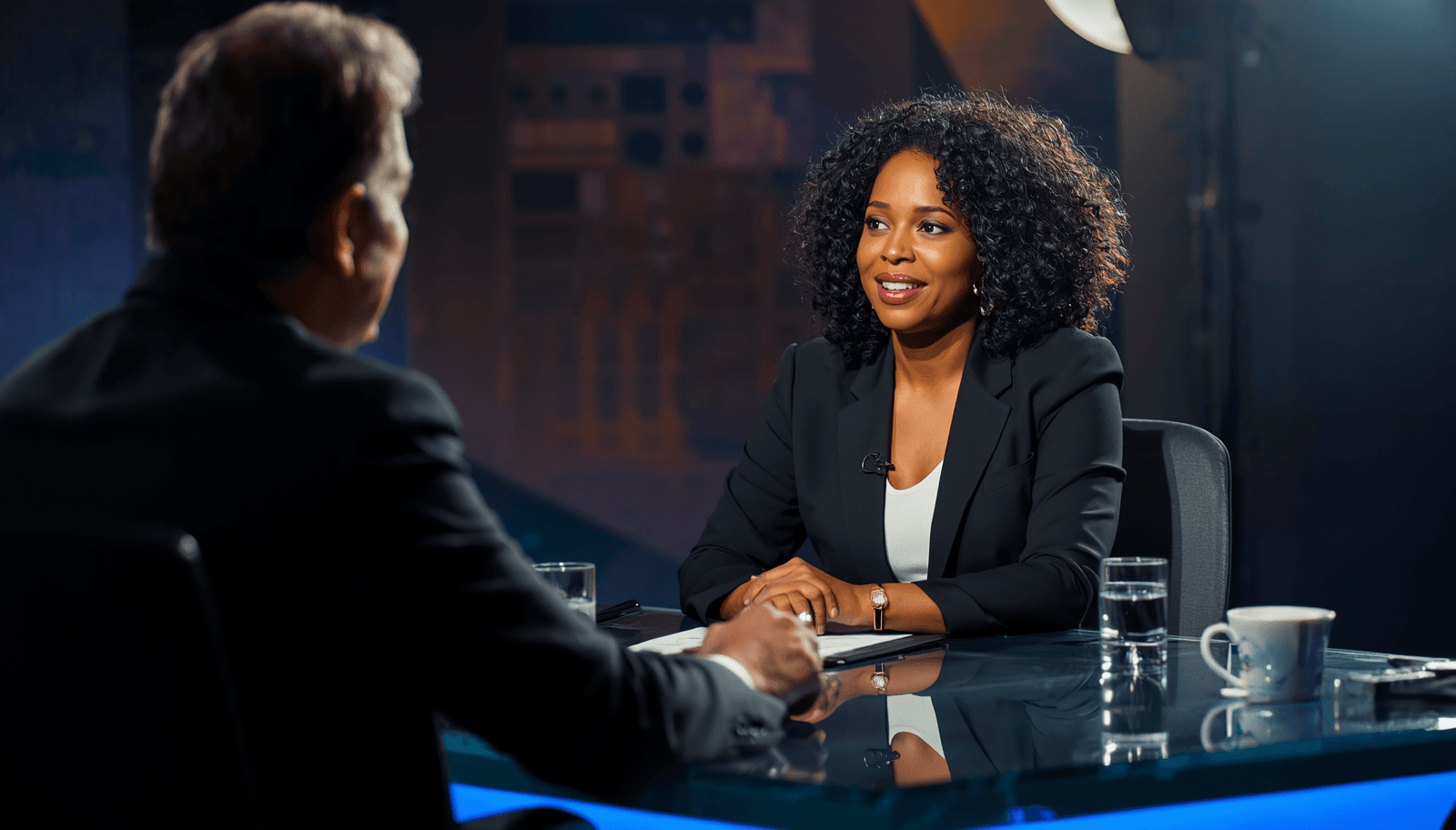
Securing a job interview is an important milestone in the job search process. After submitting applications and presenting a strong CV, the interview stage gives employers the opportunity to evaluate candidates more closely. During interviews, hiring managers assess not only qualifications and experience but also communication skills, problem-solving abilities, professionalism, and cultural fit within the organization.
Across Africa’s increasingly competitive labor markets, effective interview preparation can significantly influence whether a candidate receives a job offer. Employers often receive hundreds of applications for a single vacancy, and only a small number of applicants advance to the interview stage. This means that candidates must demonstrate their value clearly and confidently when meeting potential employers.
Preparing for interviews involves more than simply reviewing a CV. Candidates must understand the organization they are applying to, anticipate common interview questions, and communicate their experience in ways that demonstrate their ability to contribute to the company’s success.
If you want a broader understanding of how the recruitment process works, our Complete Job Search Guide for East Africa provides detailed insights into navigating job searches and preparing effective applications:
In this guide, we explore practical strategies professionals can use to prepare for job interviews and increase their chances of securing employment.
Understanding the Purpose of Job Interviews
Job interviews allow employers to assess whether candidates possess the skills, experience, and professional qualities required for a particular role. While CVs provide an overview of qualifications, interviews allow hiring managers to explore how candidates think, communicate, and respond to workplace scenarios.
During interviews, employers often evaluate several factors simultaneously. They assess technical knowledge, interpersonal skills, and the candidate’s ability to explain previous experiences clearly. Employers may also examine whether applicants understand the company’s mission, values, and business operations.
For candidates, the interview stage provides an opportunity to demonstrate enthusiasm and professionalism. Individuals who communicate confidently and show genuine interest in the organization often leave stronger impressions.
Global labor research from the World Economic Forum’s Future of Jobs Report highlights how employers increasingly prioritize competencies such as communication, adaptability, and problem-solving when evaluating candidates:
Professionals who prepare strategically for interviews are better equipped to demonstrate these abilities.
Researching the Company Before the Interview
One of the most important aspects of interview preparation is researching the organization offering the position. Candidates who understand a company’s activities, industry position, and business objectives are able to tailor their responses more effectively during interviews.
Researching a company allows candidates to demonstrate genuine interest in the role. Employers often ask questions such as “What do you know about our organization?” or “Why do you want to work here?” Candidates who provide thoughtful responses to these questions show that they have taken time to prepare.
Company research may involve reviewing the organization’s website, reading recent news articles, and examining its products or services. Candidates should also familiarize themselves with the company’s industry and competitive environment.
Understanding industry trends can also provide valuable insights during interviews. Our analysis of High-Growth Industries in East Africa explains which sectors are expanding and creating employment opportunities across the region:
Candidates who demonstrate awareness of industry developments often appear more knowledgeable and engaged.
Preparing to Answer Common Interview Questions
Most job interviews include a set of questions designed to evaluate candidates’ qualifications and professional behavior. While questions vary depending on the role and organization, many follow common patterns.
Employers frequently ask candidates to describe their professional background, explain their strengths and weaknesses, and discuss previous work experiences. These questions help interviewers understand how candidates approach responsibilities and solve challenges.
Behavioral interview questions are also common. These questions typically begin with phrases such as “Tell us about a time when…” or “Describe a situation where…”. Employers use these questions to evaluate how candidates handled specific situations in the past.
Preparing structured responses in advance can improve confidence during interviews. Candidates should reflect on previous experiences and identify examples that demonstrate problem-solving ability, teamwork, leadership, or adaptability.
Communication plays a crucial role in this process. Our guide on How to Improve Communication Skills for Career Success explains how professionals can express ideas clearly and confidently in workplace environments:
Professionals who articulate their experiences effectively often perform better during interviews.
Demonstrating Professional Skills During Interviews
In addition to technical expertise, employers frequently evaluate professional skills when interviewing candidates. These include communication abilities, teamwork, leadership potential, and emotional intelligence.
Professional skills influence how individuals interact with colleagues, respond to challenges, and contribute to organizational goals. Employers therefore look for candidates who demonstrate professionalism and maturity during interviews.
For example, candidates who listen carefully to questions and provide thoughtful responses show respect for the interview process. Maintaining eye contact, speaking clearly, and expressing enthusiasm for the role also contribute to positive impressions.
Our article on Top Workplace Skills Employers Look for in Africa explores the broader competencies organizations expect from modern professionals:
Candidates who demonstrate these skills during interviews often stand out among applicants with similar qualifications.
Managing Interview Anxiety and Building Confidence
Many candidates experience anxiety before job interviews. Nervousness is natural, particularly when individuals are eager to secure employment opportunities. However, excessive anxiety can affect performance during interviews.
One effective way to reduce anxiety is through preparation. Practicing responses to common interview questions allows candidates to become more comfortable discussing their experiences.
Mock interviews with friends, mentors, or career advisors can also provide valuable practice. These sessions allow candidates to receive feedback on communication style, body language, and clarity of responses.
Confidence often develops when candidates focus on the value they can offer employers. Reflecting on personal achievements and professional strengths helps individuals present themselves more positively during interviews.
Global workforce research from the International Labour Organization highlights how confidence and communication abilities play important roles in employability:
Professionals who approach interviews with preparation and self-confidence often perform more effectively.
Presenting Digital and Technical Skills
In modern workplaces, digital competencies are increasingly important across many professions. Employers often evaluate candidates’ familiarity with digital tools, communication platforms, and industry-specific technologies during interviews.
Candidates should be prepared to discuss their experience with relevant technologies. For example, individuals applying for marketing roles may explain their familiarity with social media analytics platforms, while data analysts may discuss experience with data visualization tools.
Highlighting digital skills can strengthen a candidate’s profile and demonstrate readiness for modern work environments.
Our Digital Skills & Remote Work Guide for East Africa explores how digital competencies are shaping employment opportunities across the region:
Professionals who combine digital knowledge with strong interpersonal abilities often perform well in competitive job markets.
Following Up After the Interview
Many candidates assume that the interview process ends once the meeting concludes. However, following up after the interview can help reinforce a positive impression.
Sending a brief thank-you message to the interviewer demonstrates professionalism and appreciation for the opportunity. This message may also provide an opportunity to reiterate interest in the position.
Follow-up communication should remain concise and professional. Candidates may thank the interviewer for their time and briefly express enthusiasm for the role.
While follow-ups do not guarantee job offers, they can strengthen professional relationships and show attention to detail.
Research on workforce development from the World Bank highlights how professional behavior and communication influence career opportunities in developing economies:
Professionals who maintain professionalism throughout the hiring process often leave stronger impressions on employers.
Conclusion
Job interviews are critical moments in the recruitment process. Employers use interviews to evaluate candidates’ qualifications, communication skills, and professional behavior.
Candidates who prepare thoroughly—by researching companies, practicing responses to common questions, and demonstrating confidence—often perform better during interviews.
Developing strong communication abilities, professional skills, and digital competencies can further improve interview performance.
As Africa’s job markets continue to grow and diversify, professionals who approach interviews with preparation and confidence will be better positioned to secure career opportunities across the region.