Emotional Intelligence in the Workplace
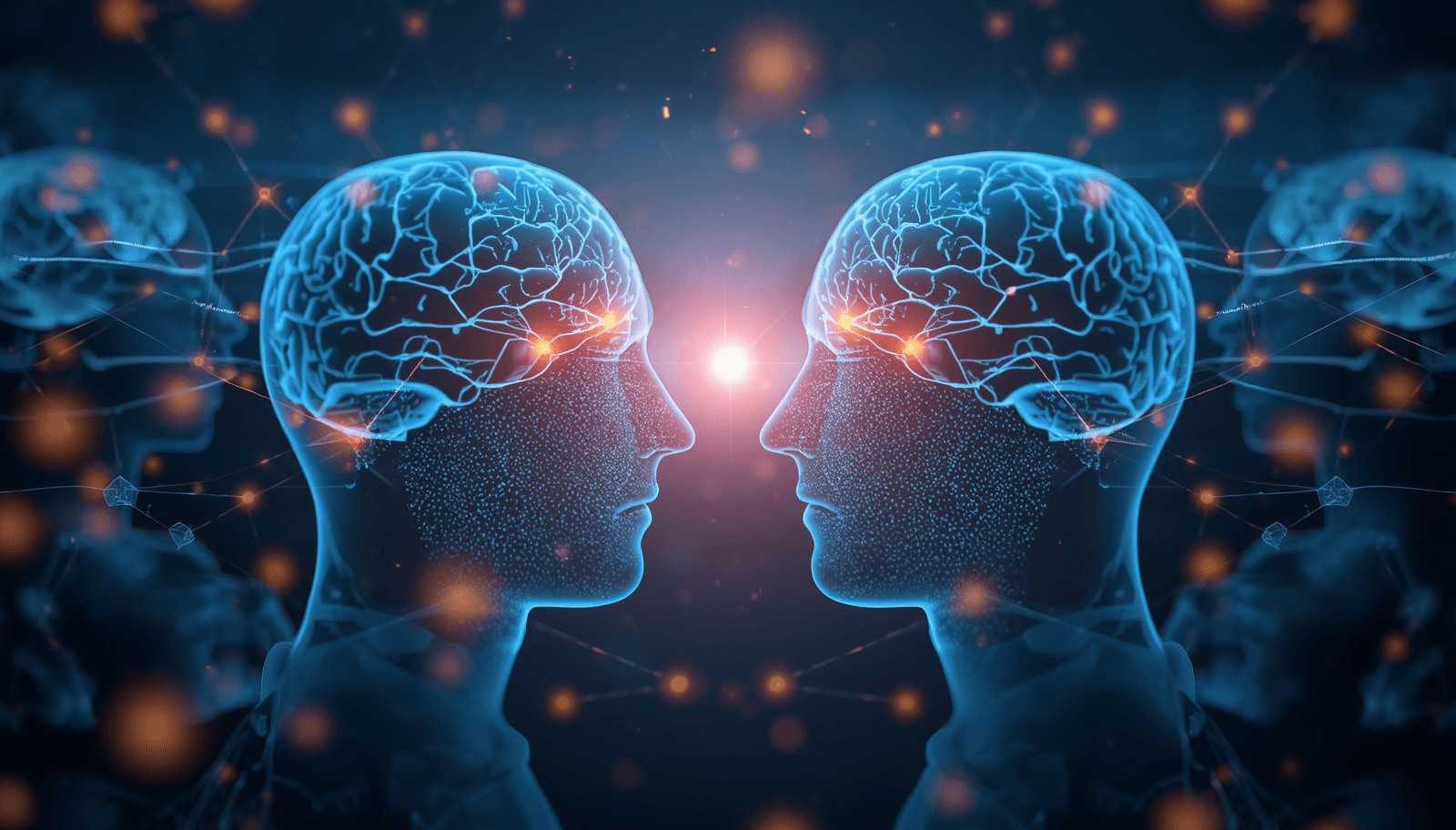
Understanding Emotional Intelligence at Work
Learn how emotional intelligence improves workplace communication, leadership, teamwork, and professional relationships.
In modern workplaces, technical knowledge and professional qualifications are important, but they are not the only factors that determine career success. Increasingly, organizations recognize that emotional intelligence plays a crucial role in how individuals interact with colleagues, manage stress, resolve conflicts, and contribute to productive work environments.
Emotional intelligence refers to the ability to understand and manage one’s own emotions while also recognizing and responding effectively to the emotions of others. This skill helps professionals build stronger relationships, communicate more effectively, and navigate workplace challenges with greater awareness.
The concept of emotional intelligence gained significant attention through the work of psychologist Daniel Goleman, whose research emphasized that emotional awareness often influences professional success as much as traditional intelligence.
In workplace environments where collaboration and teamwork are essential, emotional intelligence helps individuals respond constructively to challenges. Employees who understand their own emotional responses are better able to remain calm under pressure and make thoughtful decisions rather than reacting impulsively.
Emotional intelligence also contributes to leadership development. Managers and team leaders who demonstrate empathy and emotional awareness often build stronger trust with their teams. This trust encourages open communication, which improves collaboration and productivity.
Research from the Harvard Business Review highlights emotional intelligence as a key factor in effective leadership and organizational success.
Across African workplaces, where organizations often involve diverse teams with different backgrounds and experiences, emotional intelligence helps professionals navigate cultural differences and maintain positive working relationships.
Our guide on Leadership Skills Every Professional Should Develop explains how emotional awareness supports leadership effectiveness and team management:
By understanding emotional intelligence and applying it in daily interactions, professionals can improve their workplace relationships and contribute to healthier organizational cultures.
The Core Components of Emotional Intelligence
Emotional intelligence is often described through several core components that together shape how individuals understand and manage emotions in professional settings. These components include self-awareness, self-regulation, empathy, motivation, and social skills.
Self-awareness refers to the ability to recognize and understand one’s own emotions. Professionals who are self-aware can identify how their feelings influence their behavior and decision-making. This awareness allows individuals to respond more thoughtfully in challenging situations.
Self-regulation involves managing emotional responses effectively. In workplace environments, professionals frequently encounter stressful situations such as tight deadlines, disagreements with colleagues, or unexpected changes in project requirements. Individuals with strong self-regulation remain composed and focused even during stressful moments.
Empathy is another critical component of emotional intelligence. Empathetic professionals are able to understand the emotions and perspectives of others. This ability helps individuals build stronger relationships and respond sensitively to the concerns of colleagues or clients.
Motivation also plays a role in emotional intelligence. Professionals who are motivated by personal growth and achievement often demonstrate resilience when facing challenges. Their positive attitudes can inspire colleagues and contribute to a productive work environment.
Finally, social skills enable individuals to interact effectively with others. These skills include communication, conflict resolution, and collaboration. Professionals who possess strong social skills often excel in teamwork and leadership roles.
According to research from the World Economic Forum, emotional intelligence and interpersonal skills are increasingly important in workplaces where automation and technological innovation are transforming traditional job roles.
Our article on How to Build Strong Professional Relationships at Work explains how empathy and communication strengthen workplace relationships:
Understanding these components allows professionals to develop emotional intelligence intentionally and apply it to everyday workplace interactions.
Self-Awareness and Emotional Control in the Workplace
Self-awareness is one of the most important elements of emotional intelligence. In professional environments, self-awareness allows individuals to understand how their emotions influence their behavior, communication, and decision-making. Professionals who are self-aware recognize their strengths and limitations, which helps them respond thoughtfully rather than reacting impulsively during challenging situations.
In many workplaces, pressure and deadlines can trigger emotional responses such as frustration, anxiety, or impatience. Without self-awareness, these emotions may lead to poor decisions, miscommunication, or conflicts with colleagues. Professionals who develop emotional awareness learn to pause, reflect, and respond in a constructive manner.
Self-awareness also helps individuals understand how their behavior affects others. For example, a manager who realizes that their communication style may seem overly critical can adjust their approach to encourage more positive team interactions.
Developing self-awareness often requires reflection and honest self-evaluation. Professionals can strengthen this skill by paying attention to emotional triggers—situations that provoke strong emotional reactions. By identifying these triggers, individuals can prepare strategies for managing their responses more effectively.
Another helpful practice involves seeking feedback from colleagues or mentors. Constructive feedback provides valuable insights into how others perceive one’s communication style and leadership approach. Professionals who are open to feedback often develop greater emotional awareness and stronger interpersonal skills.
Research from Yale Center for Emotional Intelligence suggests that self-awareness improves workplace performance by helping individuals regulate emotions and maintain productive relationships.
Emotional control, closely connected to self-awareness, refers to the ability to manage emotions in ways that support professional behavior. This does not mean suppressing emotions entirely, but rather expressing them appropriately.
For example, when facing criticism during a meeting, a professional with strong emotional control may listen carefully, ask clarifying questions, and respond constructively rather than reacting defensively.
Our guide on How to Improve Problem-Solving Skills at Work explains how emotional control helps professionals analyze challenges objectively rather than reacting impulsively:
By developing self-awareness and emotional control, professionals create a foundation for more effective communication and stronger workplace relationships.
Empathy and Understanding Colleagues
Empathy is the ability to understand and share the feelings of others. In professional environments, empathy helps individuals recognize how colleagues experience challenges, workloads, and workplace pressures. This understanding allows professionals to respond with consideration and support rather than judgment.
Empathy plays an essential role in teamwork. When employees recognize the perspectives and concerns of their colleagues, they can collaborate more effectively and address conflicts before they escalate.
For example, if a team member struggles to meet a deadline due to unexpected personal challenges, an empathetic colleague might offer assistance or help adjust the project timeline. Such actions strengthen trust and reinforce positive workplace relationships.
Empathy also improves communication. Professionals who understand how others feel can adjust their communication styles to ensure that messages are delivered respectfully and constructively.
Leaders in particular benefit from empathy because it allows them to understand the motivations and concerns of their teams. Managers who demonstrate empathy often build stronger loyalty among employees and create work environments where individuals feel valued.
According to research from the Center for Creative Leadership, empathy is a key leadership competency that contributes to stronger employee engagement and team performance.
Empathy can also help professionals navigate diverse workplaces where individuals come from different cultural, educational, and professional backgrounds. Recognizing these differences encourages respect and helps teams collaborate more effectively.
Professionals can strengthen empathy by practicing active listening, observing nonverbal communication cues, and considering how others may interpret certain situations. These habits encourage deeper understanding and reduce misunderstandings.
Our article on Communication Skills in African Workplaces explains how empathy enhances communication and collaboration among team members:
By cultivating empathy, professionals contribute to supportive workplace cultures where collaboration and trust flourish.
Emotional Intelligence in Leadership and Team Management
Leadership is not only about directing tasks or setting organizational goals. Effective leadership also requires understanding people, recognizing emotional dynamics within teams, and creating environments where individuals feel supported and motivated. Emotional intelligence therefore plays a critical role in leadership and team management.
Leaders who possess strong emotional intelligence are often better equipped to guide teams through challenges. They are able to recognize signs of stress or frustration among team members and address these issues before they negatively affect productivity or morale.
For example, when employees experience high workloads or tight deadlines, emotionally intelligent leaders respond with empathy and constructive support. Instead of reacting with criticism, they work with their teams to prioritize tasks, redistribute responsibilities, or identify practical solutions.
Emotional intelligence also improves decision-making in leadership roles. Leaders who understand the emotional impact of their decisions on team members are more likely to communicate changes effectively and maintain trust within the organization.
Another important aspect of emotionally intelligent leadership is the ability to inspire and motivate others. Leaders who recognize and appreciate the contributions of team members create work environments where employees feel valued and engaged.
Recognition and encouragement can significantly influence employee motivation. When professionals feel that their work is acknowledged, they often demonstrate greater commitment to organizational goals.
According to research from the Center for Creative Leadership, leaders with high emotional intelligence are more successful in building cohesive teams and maintaining long-term organizational performance.
Emotionally intelligent leaders also foster open communication within teams. They encourage employees to share ideas, provide feedback, and discuss challenges openly. This transparency helps organizations identify potential problems early and develop collaborative solutions.
Our guide on Leadership Skills Every Professional Should Develop explores how emotional awareness strengthens leadership effectiveness and team coordination:
By integrating emotional intelligence into leadership practices, professionals can create workplaces that promote trust, collaboration, and innovation.
Managing Workplace Stress and Emotions
Workplace stress is a common challenge in many professions. Tight deadlines, demanding workloads, organizational changes, and interpersonal conflicts can create pressure that affects both performance and well-being. Emotional intelligence helps professionals manage these pressures in constructive ways.
One of the key aspects of managing workplace stress is recognizing emotional signals early. Professionals who are aware of their emotional responses can identify when stress begins to affect their concentration, communication, or decision-making.
Once these signals are recognized, individuals can take steps to manage stress before it escalates. Strategies such as prioritizing tasks, taking short breaks, and maintaining clear communication with colleagues often help reduce workplace tension.
Another important aspect of emotional regulation involves maintaining perspective during challenging situations. Professionals who practice emotional intelligence avoid reacting impulsively to stressful events. Instead, they take time to analyze the situation calmly and consider possible solutions.
Mindfulness practices can also support emotional regulation. Techniques such as focused breathing or short moments of reflection help individuals remain centered even during demanding workdays.
Organizations increasingly recognize the importance of supporting employee well-being. Many companies now encourage work environments that promote balanced workloads and open communication about stress.
Research from the World Health Organization highlights that workplace well-being contributes significantly to employee productivity and organizational success.
Professionals can also support colleagues who experience workplace stress by offering assistance, listening empathetically, and encouraging constructive discussions about workload or project challenges.
Our article on How to Build Strong Professional Relationships at Work explains how supportive workplace relationships help individuals navigate stressful situations collaboratively:
By developing emotional intelligence and effective stress-management strategies, professionals can maintain productivity and positive relationships even in demanding environments.
Developing Emotional Intelligence Through Practice
Emotional intelligence is not a fixed trait that individuals either possess or lack. Instead, it is a skill that can be developed through consistent practice and self-reflection. Professionals who actively work on improving their emotional awareness and interpersonal abilities often experience noticeable improvements in workplace relationships and overall performance.
One effective way to strengthen emotional intelligence is through regular self-reflection. Professionals can take time at the end of each workday to evaluate how they responded to different situations. Questions such as “How did I react during stressful moments?” or “Did I listen carefully to colleagues during discussions?” can reveal opportunities for improvement.
Journaling can also help professionals monitor emotional patterns. By recording experiences and reactions, individuals can identify recurring emotional triggers and develop strategies to respond more constructively in the future.
Another valuable approach involves seeking feedback from colleagues, supervisors, or mentors. Constructive feedback provides insights into how others perceive a person’s communication style and emotional responses. Professionals who accept feedback with openness and humility often develop stronger interpersonal skills.
Mentorship relationships can further support emotional intelligence development. Experienced professionals often share advice about handling workplace challenges, managing conflicts, and maintaining professional composure during difficult situations.
Continuous learning also plays a role in developing emotional intelligence. Many leadership development programs and professional training courses include modules focused on interpersonal communication, empathy, and emotional awareness.
Research from the Yale Center for Emotional Intelligence shows that individuals who engage in emotional intelligence training often demonstrate improved teamwork and leadership abilities.
Practicing empathy in daily interactions is another powerful method for strengthening emotional intelligence. Professionals who intentionally consider the perspectives of colleagues develop deeper understanding and more constructive communication habits.
Our guide on How to Improve Problem-Solving Skills at Work highlights how emotional awareness helps professionals analyze workplace challenges more objectively:
By practicing self-awareness, seeking feedback, and developing empathy, professionals can gradually strengthen emotional intelligence and enhance their effectiveness in the workplace.
Conclusion
Emotional intelligence has become an essential competency in modern workplaces. While technical skills and professional expertise remain important, the ability to understand and manage emotions often determines how effectively individuals collaborate with colleagues and navigate workplace challenges.
Professionals with strong emotional intelligence demonstrate self-awareness, empathy, and emotional regulation. These qualities allow them to communicate clearly, build trust within teams, and respond thoughtfully to difficult situations.
Leaders in particular benefit from emotional intelligence because it enables them to inspire and guide teams while maintaining supportive and productive work environments.
The growing complexity of modern organizations makes emotional intelligence even more important. Teams frequently include individuals from diverse cultural backgrounds and professional disciplines. Emotional awareness helps professionals respect these differences and work together toward shared goals.
Developing emotional intelligence requires consistent effort and reflection. Professionals who practice self-awareness, seek feedback, and cultivate empathy gradually strengthen their interpersonal abilities.
Ultimately, emotional intelligence contributes not only to individual career success but also to healthier and more productive workplace cultures.
Frequently Asked Questions (FAQ)
What is emotional intelligence in the workplace?
Emotional intelligence refers to the ability to understand and manage one’s emotions while also recognizing and responding effectively to the emotions of others in professional environments.
Why is emotional intelligence important for professionals?
Emotional intelligence improves communication, strengthens workplace relationships, and helps professionals handle stressful situations more effectively.
Can emotional intelligence be developed?
Yes. Emotional intelligence can be improved through self-reflection, feedback from colleagues, mentorship, and continuous learning.
How does emotional intelligence help leaders?
Leaders with emotional intelligence understand their teams better, manage conflicts constructively, and motivate employees more effectively.
What are the key components of emotional intelligence?
The main components include self-awareness, self-regulation, empathy, motivation, and social skills.