How to Build a Strong LinkedIn Profile for Job Opportunities in Africa
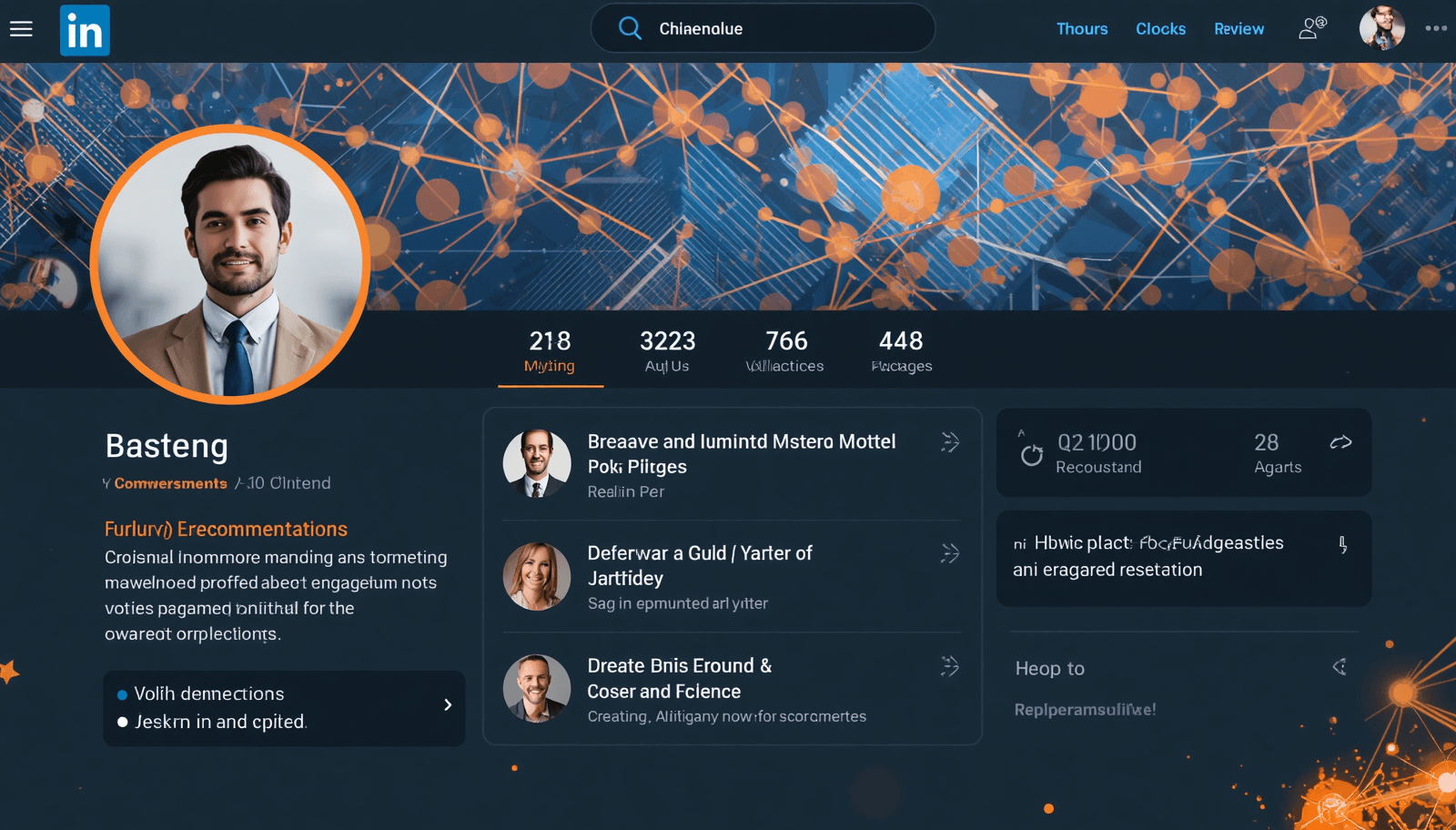
Why LinkedIn Matters for Career Growth
In today’s digital job market, professional networking platforms have become essential tools for career development. Among these platforms, LinkedIn has emerged as the most widely used professional networking website in the world.
LinkedIn allows professionals to present their skills, work experience, and achievements in an online format that employers, recruiters, and industry leaders can easily access. For job seekers in Africa, a strong LinkedIn profile can significantly increase visibility and create opportunities that might not appear through traditional job applications.
Many companies now use LinkedIn to search for potential candidates before posting job vacancies publicly. Recruiters often browse LinkedIn profiles to identify individuals with specific skills or professional backgrounds. This means that professionals with well-structured LinkedIn profiles may receive job inquiries directly from recruiters.
LinkedIn is also valuable for building professional networks. By connecting with colleagues, industry experts, and employers, professionals can stay informed about job openings, industry trends, and career development opportunities.
Research from the LinkedIn shows that millions of professionals use the platform to search for jobs and connect with employers worldwide.
In Africa, LinkedIn is becoming increasingly important as organizations expand their digital recruitment strategies. Employers across sectors such as technology, finance, marketing, and consulting regularly review LinkedIn profiles when evaluating candidates.
Our guide on How to Find Jobs in Kenya, Tanzania, and Uganda explains how online platforms and professional networks play growing roles in modern job searches:
Understanding how to build a strong LinkedIn profile can therefore help professionals increase their visibility and access more career opportunities.
Setting Up a Professional LinkedIn Profile
Creating a LinkedIn profile may seem simple, but building an effective professional presence requires careful attention to detail. A strong profile should clearly present a candidate’s qualifications, skills, and career interests.
The first step in building a professional LinkedIn profile is creating an account with accurate personal information. This includes the candidate’s full name, professional headline, and location. These details help recruiters identify relevant candidates when searching the platform.
One of the most important elements of a LinkedIn profile is the profile photo. Profiles with professional photographs tend to receive significantly more views than those without images. A professional headshot that presents the candidate clearly and confidently helps create positive first impressions.
The professional headline is another important feature. This short description appears directly below the candidate’s name and summarizes their professional identity. Instead of simply listing a job title, candidates can include keywords that describe their expertise.
For example, a headline such as “Digital Marketing Specialist | SEO & Social Media Strategy” provides more information than simply writing “Marketing Professional.”
The About section provides an opportunity for candidates to introduce themselves and describe their professional journey. This section should summarize experience, highlight key achievements, and explain career goals.
Writing a clear and engaging summary helps recruiters quickly understand a candidate’s professional strengths.
The Experience section is another critical component of the LinkedIn profile. Candidates should list previous roles, responsibilities, and accomplishments. Including measurable achievements helps demonstrate professional impact.
LinkedIn profiles also allow users to list skills related to their expertise. Skills such as digital marketing, data analysis, project management, or communication help recruiters identify candidates with relevant qualifications.
According to research from the Harvard Business Review, well-structured professional profiles improve visibility and credibility in digital job markets.
Our article on How to Write a Professional CV in Africa explains how professionals can present their skills and experiences effectively when applying for jobs:
By carefully organizing profile sections and presenting qualifications clearly, professionals can create LinkedIn profiles that attract attention from recruiters and employers.
Optimizing Your LinkedIn Profile for Recruiters
Creating a LinkedIn profile is only the first step toward using the platform effectively for career growth. To attract recruiters and potential employers, professionals must optimize their profiles so that they appear in search results when companies are looking for candidates.
Recruiters frequently use LinkedIn’s search tools to identify individuals with specific skills or professional backgrounds. When recruiters search for candidates, LinkedIn’s algorithm displays profiles that contain keywords relevant to the search.
For this reason, including the right keywords in your LinkedIn profile is extremely important. Keywords often include job titles, professional skills, certifications, and industry-related terms.
For example, a candidate seeking a marketing role may include keywords such as “digital marketing,” “SEO strategy,” “content marketing,” and “social media management.” These keywords help recruiters identify profiles that match their hiring requirements.
The professional headline and summary sections are particularly important places to include relevant keywords. Because these sections appear prominently on the profile, they influence how LinkedIn’s search system categorizes professional expertise.
Another useful feature is the Skills section. LinkedIn allows users to list numerous professional skills and receive endorsements from colleagues or connections. Skills such as project management, data analysis, marketing strategy, or software development can strengthen a profile’s credibility.
Recommendations from colleagues or supervisors also improve LinkedIn profiles. These written testimonials provide evidence of a candidate’s professional performance and work ethic.
Recruiters often view recommendations as valuable insights into how candidates collaborate with others and contribute to organizations.
Another important feature is the Open to Work option available on LinkedIn. When activated, this feature allows users to indicate that they are actively seeking job opportunities. Recruiters can then identify these candidates more easily when searching for potential hires.
LinkedIn also allows users to upload portfolios, certifications, and project examples that demonstrate professional abilities. Including these materials strengthens credibility and provides additional evidence of expertise.
According to research from the LinkedIn Talent Solutions, recruiters frequently rely on keyword searches and profile completeness when identifying potential candidates.
Our article on What Employers Look for When Hiring in Africa explains how recruiters evaluate candidates based on professional achievements and demonstrated skills:
By optimizing profiles with relevant keywords, achievements, and recommendations, professionals can significantly increase their chances of appearing in recruiter searches.
How to Build a Powerful Professional Network on LinkedIn
While having a strong LinkedIn profile is important, the real value of the platform comes from building professional relationships. Networking plays a major role in career development because many job opportunities are discovered through professional connections.
LinkedIn allows professionals to connect with colleagues, industry experts, mentors, and recruiters from around the world. Each new connection expands a professional’s network and increases visibility within their industry.
When building a network on LinkedIn, it is helpful to start by connecting with people you already know. Former colleagues, classmates, professors, and supervisors are excellent initial connections because they are familiar with your work and professional background.
After establishing these initial connections, professionals can expand their networks by connecting with individuals working in industries or organizations that interest them.
When sending connection requests, it is often helpful to include a brief message explaining why you would like to connect. Personalized connection requests demonstrate professionalism and increase the likelihood that the recipient will accept the invitation.
Engaging with content on LinkedIn also helps strengthen professional relationships. Commenting on industry discussions, sharing professional insights, or congratulating colleagues on achievements helps maintain active communication within networks.
Posting valuable content related to professional interests can also increase visibility. Professionals who share insights about industry trends, career advice, or project experiences often attract attention from recruiters and industry peers.
Joining LinkedIn groups related to specific industries or professions is another effective networking strategy. These groups allow professionals to participate in discussions, learn from industry experts, and stay informed about new opportunities.
According to research from the World Economic Forum, professional networks play a critical role in career development and access to employment opportunities.
Our guide on How to Become a More Productive Professional explains how maintaining professional relationships and communication helps individuals advance their careers:
By actively engaging with others and building meaningful professional relationships, LinkedIn users can transform their profiles into powerful career development tools.
Using LinkedIn to Find Job Opportunities
One of the most valuable features of LinkedIn is its ability to connect professionals with job opportunities. Many organizations now use LinkedIn as a primary recruitment tool, allowing companies to advertise job openings and search directly for candidates.
For job seekers in Africa, LinkedIn offers access to both local and international opportunities. Because companies from around the world use the platform, professionals can discover roles that may not be advertised through traditional job boards.
The first step in using LinkedIn for job searches is activating the platform’s job search features. LinkedIn includes a dedicated job section where users can search for positions based on job titles, industries, locations, and experience levels.
Job seekers can also set up job alerts that notify them when new opportunities matching their interests are posted. This feature helps candidates stay informed about openings without manually searching every day.
Another important strategy involves following companies on LinkedIn. Many organizations post job vacancies directly on their LinkedIn pages before advertising them elsewhere. By following companies of interest, job seekers can stay updated about career opportunities.
Recruiters also frequently contact potential candidates directly through LinkedIn messages. Professionals with optimized profiles and active networks may receive inquiries from recruiters seeking individuals with specific skills.
Participating in discussions and sharing professional insights can further increase visibility. Professionals who regularly contribute thoughtful content often attract attention from employers and industry leaders.
LinkedIn also provides features that allow users to demonstrate expertise through content creation. Writing articles or sharing insights about professional experiences helps establish credibility within specific industries.
Research from the LinkedIn Economic Graph indicates that professionals who actively engage on LinkedIn often receive more job inquiries and networking opportunities.
Our article on How to Write a Professional Cover Letter for Jobs in Africa explains how strong job applications complement online professional profiles when applying for opportunities:
By using LinkedIn’s job search features, engaging with professional communities, and maintaining strong profiles, job seekers can significantly expand their access to employment opportunities.
Mistakes to Avoid on LinkedIn
While LinkedIn offers powerful career opportunities, many professionals unintentionally weaken their profiles by making common mistakes. Avoiding these errors helps ensure that LinkedIn profiles remain professional and attractive to recruiters.
One of the most common mistakes is incomplete profiles. Profiles that lack key sections such as summaries, work experience, or skills may appear unprofessional. Recruiters often prioritize candidates whose profiles are fully completed.
Another common mistake is using unprofessional profile photos. LinkedIn is a professional platform, and profile photos should reflect this purpose. Images taken in casual settings or low-quality photographs can reduce credibility.
Candidates should use clear, professional photographs that present them confidently.
Another issue involves overly vague descriptions of experience. Simply listing job titles without explaining responsibilities or achievements provides limited insight into professional abilities. Profiles should include specific accomplishments and measurable results where possible.
Some users also make the mistake of posting inappropriate or unrelated content. Because LinkedIn is a professional network, posts should focus on career development, industry insights, or professional achievements.
Negative comments about employers or colleagues can also damage professional reputations. Maintaining respectful communication is essential for preserving professional credibility.
Another mistake involves sending generic connection requests without messages. Personalized invitations demonstrate professionalism and help establish meaningful relationships.
Research from the Harvard Business Review indicates that professional online behavior significantly influences how employers perceive potential candidates.
Our article on Career Mistakes Holding Back African Professionals explores additional errors professionals should avoid when building successful careers:
By avoiding these mistakes and maintaining professional online behavior, LinkedIn users can build profiles that attract attention from recruiters and strengthen their professional reputations.
Advanced LinkedIn Strategies for Career Growth
Once a LinkedIn profile is fully optimized and a professional network has been established, professionals can begin using more advanced strategies to strengthen their visibility and influence within their industries.
One powerful strategy is regularly sharing professional insights and industry-related content. Professionals who post thoughtful updates, articles, or observations about industry trends often attract attention from recruiters and peers. Sharing knowledge demonstrates expertise and signals that the individual is actively engaged in their field.
For example, professionals working in technology might share insights about new digital tools or industry developments. Those working in marketing may discuss emerging trends in digital advertising or consumer behavior.
Publishing original content on LinkedIn can also strengthen professional credibility. LinkedIn allows users to write long-form articles that explore professional topics in depth. These articles can showcase expertise and establish thought leadership within specific industries.
Another advanced strategy involves engaging with content posted by industry leaders. Commenting thoughtfully on posts shared by experts or organizations increases visibility and helps professionals become recognized within their networks.
LinkedIn also offers learning resources through LinkedIn Learning. Professionals can complete courses related to leadership, technology, marketing, and many other fields. Completing these courses adds certifications to LinkedIn profiles and demonstrates commitment to professional development.
Participating in LinkedIn groups is another valuable strategy. These groups allow professionals to discuss industry topics, exchange ideas, and connect with individuals who share similar career interests.
Professionals who actively participate in such discussions often gain valuable insights and expand their networks.
Mentorship is another powerful benefit of LinkedIn networking. By connecting with experienced professionals in their industries, individuals can gain guidance and advice about career development.
According to research from the World Economic Forum, strong professional networks significantly influence career advancement and access to opportunities.
Our article on Professional Skills Every Employee Should Develop explains how communication, networking, and collaboration contribute to long-term career success:
By combining consistent engagement, content sharing, and continuous learning, professionals can transform LinkedIn into a powerful platform for career growth.
Conclusion
LinkedIn has become one of the most important platforms for professional networking and career development. For job seekers and professionals in Africa, a strong LinkedIn presence can significantly expand access to employment opportunities and professional connections.
Building an effective LinkedIn profile involves more than simply listing work experiences. Professionals must carefully structure their profiles to highlight achievements, demonstrate expertise, and communicate career goals clearly.
Optimizing profiles with relevant keywords, skills, and recommendations helps increase visibility in recruiter searches. At the same time, building meaningful professional networks strengthens connections within industries and creates pathways to new opportunities.
LinkedIn also offers powerful tools for professional growth. By engaging with industry discussions, sharing insights, and continuously learning new skills, professionals can strengthen their reputations and expand their career possibilities.
Avoiding common mistakes such as incomplete profiles or unprofessional behavior further ensures that LinkedIn profiles remain credible and attractive to employers.
For individuals seeking career advancement, job opportunities, or professional development, LinkedIn provides a platform where connections, knowledge, and opportunities converge.
By investing time in building strong profiles and engaging actively with professional communities, individuals can unlock the full potential of LinkedIn as a career development tool.
Frequently Asked Questions (FAQ)
Why is LinkedIn important for job seekers?
LinkedIn allows professionals to showcase their skills, connect with employers, and discover job opportunities through networking and recruiter searches.
What should a good LinkedIn profile include?
A strong LinkedIn profile includes a professional photo, headline, summary, work experience, skills, and recommendations.
How can LinkedIn help professionals find jobs?
LinkedIn provides job listings, networking opportunities, recruiter outreach, and industry discussions that help professionals discover career opportunities.
Is LinkedIn useful for professionals in Africa?
Yes. Many African companies and international employers use LinkedIn to recruit talent and connect with professionals.
How often should I update my LinkedIn profile?
Professionals should update their profiles regularly when gaining new skills, completing projects, or achieving career milestones.