The Complete Job Search Guide for East Africa (2026)

Complete Job Search Guide for East Africa (2026)
Finding a job in East Africa has become increasingly competitive over the past decade. While economic growth across countries such as Kenya, Tanzania, Uganda, and Rwanda has created new opportunities in technology, finance, agriculture, and logistics, the number of job seekers entering the workforce continues to rise rapidly.
Each year, thousands of graduates complete university programs and begin searching for employment. At the same time, many professionals already in the workforce seek better opportunities, career advancement, or transitions into growing industries. This dynamic environment means that job seekers must compete not only with fresh graduates but also with experienced professionals.
In this context, simply submitting job applications is rarely enough to secure employment. Successful job seekers approach the process strategically. They understand how employers evaluate candidates, how recruitment processes operate, and how to present their skills effectively.
The modern job search process involves several stages, including identifying career goals, researching industries, preparing professional documents, networking with potential employers, and performing well during interviews. Professionals who develop strong strategies for each stage significantly improve their chances of securing employment.
Understanding the broader job market is also important. Our report on high-growth industries and job opportunities in East Africa explores sectors that are expanding rapidly and creating new career opportunities
By aligning job search strategies with industry trends, professionals can target sectors where demand for talent is increasing.
This guide provides a comprehensive overview of how job seekers in East Africa can navigate the employment process successfully. It covers key aspects of job searching, including preparing professional documents, networking effectively, performing well in interviews, and building long-term career strategies.
Understanding the East African Job Market
Before beginning a job search, it is essential to understand the broader labor market environment. Job opportunities are influenced by economic growth, industry trends, and technological changes that shape how companies hire and operate.
Across East Africa, several industries have expanded rapidly in recent years. Technology startups, fintech companies, renewable energy projects, and logistics networks are creating new employment opportunities. At the same time, traditional sectors such as education, healthcare, agriculture, and government services continue to employ large numbers of professionals.
Urban centers play a particularly important role in employment creation. Cities such as Nairobi, Dar es Salaam, Kampala, and Kigali attract businesses, investors, and international organizations that require skilled employees. These cities therefore offer a wider range of career opportunities compared to smaller towns or rural areas.
However, competition for jobs in these urban markets can be intense. Employers often receive hundreds of applications for a single position. This means that job seekers must differentiate themselves through strong qualifications, professional skills, and strategic job search techniques.
Another important factor shaping the job market is digital transformation. Many organizations now use online recruitment platforms to advertise positions and screen candidates. Job seekers must therefore be comfortable using digital tools when searching for opportunities and submitting applications.
Our Digital Skills & Remote Work Guide for East Africa explains how technological changes are influencing employment opportunities across the region:
Professionals who understand these economic and technological trends are better prepared to identify realistic job opportunities and position themselves effectively in the labor market.
Identifying the Right Career Path
One of the most common mistakes job seekers make is applying for every available position without considering whether those roles align with their long-term career goals. While it may seem practical to submit as many applications as possible, this approach often leads to frustration and limited results.
A more effective strategy begins with identifying a clear career direction. Job seekers should evaluate their interests, strengths, and educational background before targeting specific industries or job roles.
For example, individuals with strong analytical abilities may find opportunities in fields such as finance, data analysis, or logistics. Those who enjoy creative work may be drawn to marketing, design, or media-related careers. Professionals with technical expertise may pursue roles in engineering, information technology, or digital product development.
Understanding personal strengths allows job seekers to focus their energy on opportunities where they are most likely to succeed. It also enables them to develop specialized skills that increase their competitiveness within specific industries.
Professional development resources can help individuals refine their career goals. Our guide on professional skills every East African professional must master explores workplace competencies that support career growth:
By combining self-assessment with industry research, job seekers can develop a clearer understanding of the career paths that best match their abilities and aspirations.
Preparing a Professional CV and Cover Letter
A strong job application begins with well-prepared professional documents. The two most important documents are the curriculum vitae (CV) and the cover letter.
The CV provides a detailed overview of a candidate’s education, work experience, skills, and achievements. Employers typically review this document first when evaluating job applications. A well-structured CV allows recruiters to quickly understand a candidate’s qualifications and determine whether they meet the requirements of the position.
An effective CV should be clear, concise, and organized logically. It should highlight relevant experience and skills that directly relate to the job being applied for. Employers often spend only a few seconds reviewing each CV during the initial screening process, so clarity and relevance are essential.
The cover letter complements the CV by providing an opportunity for candidates to explain their interest in the position and demonstrate how their skills align with the employer’s needs. While the CV presents factual information, the cover letter allows job seekers to communicate their motivation and enthusiasm.
Many job seekers underestimate the importance of tailoring their application documents for each position. Sending the same generic CV and cover letter to multiple employers reduces the chances of standing out among competing candidates.
Our detailed guide on how to write a professional CV in Africa provides step-by-step advice on preparing effective application documents:
Investing time in creating strong application materials can significantly improve the chances of securing interviews.
Where to Find Job Opportunities in East Africa
One of the most common challenges job seekers face is simply knowing where to look for opportunities. While job vacancies are advertised through many channels, not all of them are easily visible. Successful job seekers understand how to explore multiple sources rather than relying on a single method.
Online job platforms have become one of the most popular ways to discover employment opportunities. Many companies advertise vacancies on recruitment websites where applicants can submit applications directly. These platforms allow job seekers to filter positions by industry, location, and experience level.
Professional networking platforms have also become powerful tools for job searching. Employers frequently post job openings on professional networking sites and review candidate profiles before making hiring decisions. Maintaining an updated professional profile can therefore improve visibility among recruiters.
Company websites are another important source of job listings. Many organizations publish vacancies on their own career pages before advertising them on external platforms. Regularly checking the websites of companies you are interested in can help you discover opportunities early.
Recruitment agencies also play a significant role in connecting employers with candidates. These agencies often work directly with companies to identify suitable applicants for specific roles. Registering with reputable recruitment agencies can therefore expand access to job openings that may not be widely advertised.
In addition to formal job postings, many opportunities exist within the “hidden job market.” These positions are not publicly advertised but are filled through referrals, recommendations, or internal recruitment processes. Professionals who actively build networks and maintain relationships within their industries are more likely to hear about these opportunities.
Career platforms that focus on regional job markets can also help job seekers stay informed about new opportunities. CareerLink Africa regularly publishes job openings and career insights for professionals across the region.
Combining these different job search channels significantly increases the chances of finding suitable opportunities.
Networking Strategies for Job Seekers
Networking is often described as one of the most effective ways to find employment, yet many professionals underestimate its importance. In many cases, job opportunities arise through personal connections rather than public advertisements.
Professional networking involves building relationships with individuals who can provide information, advice, or referrals related to career opportunities. These relationships may include colleagues, mentors, former classmates, industry professionals, and recruiters.
Attending industry events such as conferences, workshops, and professional seminars provides opportunities to meet individuals working in relevant sectors. These events allow job seekers to learn about industry developments while also establishing connections that may lead to employment opportunities.
Online networking has become equally important. Professional platforms allow individuals to connect with professionals from different organizations and industries. Engaging in discussions, sharing insights, and maintaining a professional online presence can help job seekers build credibility within their fields.
Networking should not be approached solely as a way to request jobs. Instead, it should be seen as a long-term relationship-building process. Offering help, sharing knowledge, and showing genuine interest in others’ work can strengthen professional relationships over time.
Mentorship relationships are another valuable form of networking. Experienced professionals can provide guidance on career decisions, recommend training opportunities, and introduce mentees to valuable industry contacts.
For additional strategies on career development and networking, explore our complete career advice guide for Africa:
Professionals who invest in networking often discover opportunities that remain invisible to those relying only on job advertisements.
Preparing for Job Interviews
Securing an interview is an important milestone in the job search process, but it is only the beginning of the evaluation stage. Employers use interviews to assess whether candidates possess the qualifications, skills, and professional attitudes required for the role.
Preparation is essential for performing well during interviews. Job seekers should begin by researching the organization thoroughly. Understanding the company’s mission, services, and recent developments allows candidates to demonstrate genuine interest in the role.
Reviewing the job description carefully is also important. Employers typically design interview questions around the responsibilities listed in the job advertisement. Preparing examples that demonstrate relevant experience can help candidates respond confidently during discussions.
Professional appearance and punctuality contribute to positive first impressions. Arriving on time and dressing appropriately shows respect for the interview process and signals professionalism.
During the interview itself, candidates should focus on communicating clearly and confidently. Providing specific examples from previous experiences helps interviewers understand how candidates approach challenges and contribute to team success.
Listening carefully to questions and responding thoughtfully also demonstrates strong communication skills. Employers often assess how candidates think through problems rather than simply evaluating whether answers are technically correct.
If you frequently submit job applications but rarely receive interview invitations, our article on why many professionals are not getting interviews in Africa explains common obstacles that job seekers encounter:
Strong interview preparation can significantly improve the chances of converting opportunities into job offers.
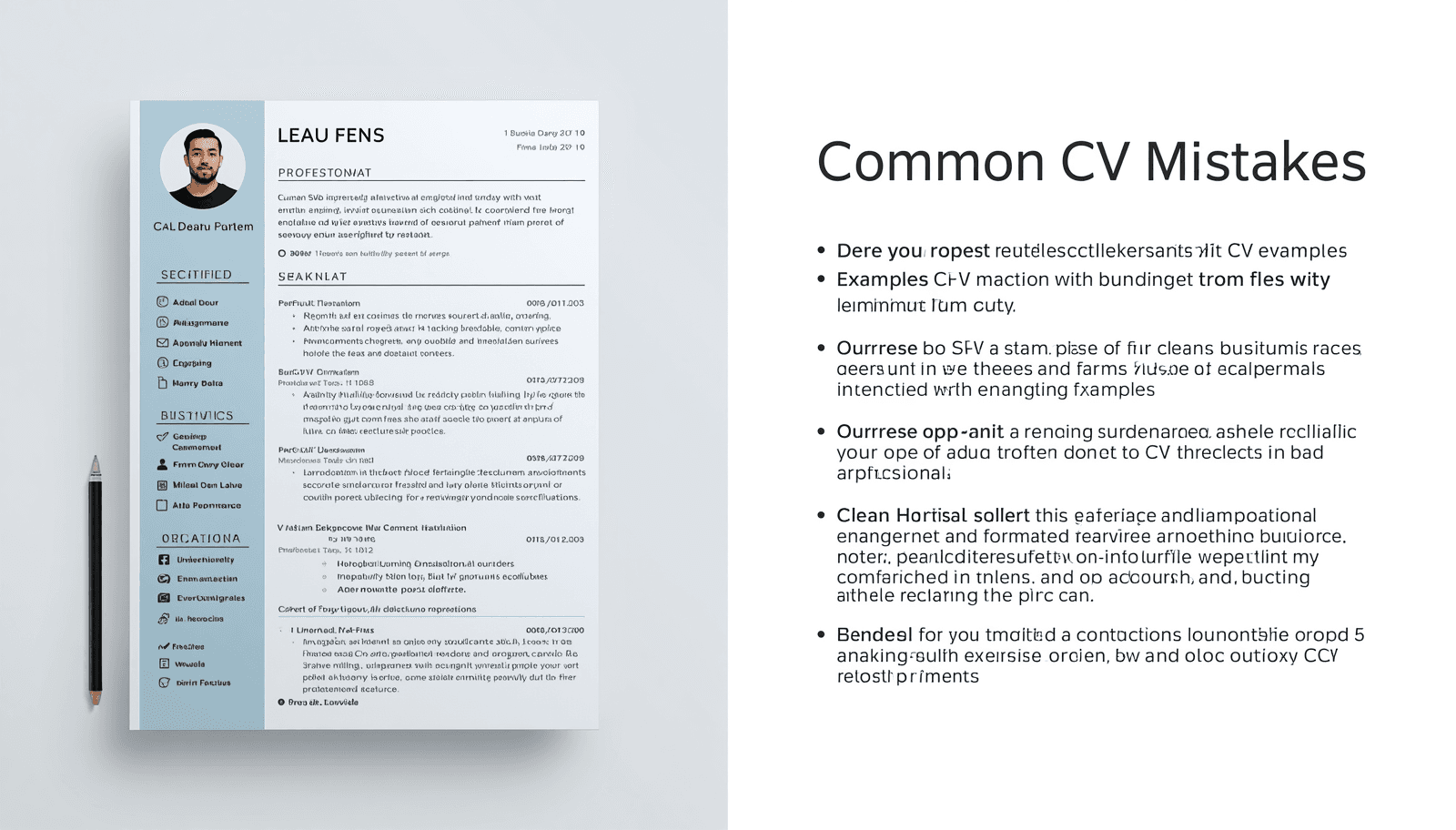
Common Mistakes That Prevent Candidates from Getting Interviews
Despite having strong academic backgrounds and relevant skills, many professionals struggle to secure interviews. In many cases, this challenge is caused by avoidable mistakes during the application process.
One common issue is submitting generic applications. Many job seekers send the same CV and cover letter to multiple employers without tailoring their documents to the specific requirements of each role. Recruiters quickly notice when applications lack relevance to the advertised position.
Another mistake involves incomplete or poorly structured CVs. Employers often receive large numbers of applications and must screen candidates quickly. If a CV is difficult to read or lacks clear information about experience and achievements, recruiters may move on to other candidates.
Failure to research the employer can also weaken applications. Candidates who demonstrate little understanding of the company’s work may appear less committed to the role.
Some job seekers also underestimate the importance of professional online presence. Employers increasingly review candidates’ profiles on professional networking platforms before making hiring decisions. Outdated or incomplete profiles may reduce credibility.
Understanding these challenges can help job seekers refine their application strategies. Our article on career mistakes holding back African professionals explores additional factors that may slow career progress:
Avoiding these common mistakes can significantly increase the likelihood of receiving interview invitations.
Salary Negotiation and Evaluating Job Offers
Receiving a job offer is an exciting milestone, but the process does not end with acceptance. Evaluating the terms of employment carefully ensures that professionals make informed decisions about their careers.
Salary is one of the most important factors to consider. While compensation levels vary across industries and countries, candidates should research typical salary ranges for similar roles before negotiating offers. Understanding market standards helps professionals determine whether an offer is competitive.
Negotiation should be approached professionally and respectfully. Instead of demanding higher compensation immediately, candidates can express appreciation for the offer while discussing expectations based on industry standards and personal qualifications.
Beyond salary, job seekers should also consider other aspects of employment such as benefits, opportunities for career development, workplace culture, and job stability. These factors can significantly influence long-term career satisfaction.
In some cases, accepting a slightly lower salary may be worthwhile if the role offers valuable experience, professional growth, or access to important industry networks.
Making thoughtful decisions during the negotiation process helps professionals build sustainable career paths.
Remote Job Opportunities for East Africans: Accessing Global Careers
One of the most significant changes in the global job market over the past decade has been the expansion of remote work. Advances in internet infrastructure, digital collaboration tools, and cloud-based systems have made it possible for professionals to work with companies located anywhere in the world.
For professionals in East Africa, remote work has opened access to employment opportunities that were previously limited by geography. Instead of competing only for positions within their local cities or countries, qualified individuals can now apply for jobs offered by international organizations and global startups.
Remote work opportunities exist across a wide range of industries. Technology companies frequently hire remote software developers, cybersecurity specialists, and data analysts. Digital marketing agencies often employ remote social media managers, content creators, and advertising specialists. Customer service teams may operate entirely online, allowing companies to support clients across different time zones.
Freelancing has also become an important entry point into remote work. Many professionals begin their remote careers by offering services such as graphic design, web development, writing, translation, or consulting through online freelance platforms. These platforms connect businesses with independent professionals who can complete projects remotely.
However, accessing remote opportunities requires specific skills and preparation. Professionals must be comfortable working with digital tools, communicating clearly with international teams, and managing their work independently without constant supervision.
Reliable internet connectivity is also essential. Remote employees rely heavily on video conferencing platforms, project management systems, and cloud-based file sharing tools to collaborate with colleagues and deliver projects.
Developing strong digital competencies can significantly increase access to remote work opportunities. Skills such as programming, digital marketing, data analysis, and UX design are particularly valuable because they can be performed entirely online.
Our comprehensive guide on digital skills and remote work opportunities in East Africa explains the most valuable competencies for professionals interested in remote careers:
Remote employment also offers financial advantages. Professionals working for international companies may earn salaries or freelance payments in global currencies, which can provide higher purchasing power within local economies.
While remote work offers exciting opportunities, it also requires discipline and professionalism. Employees must manage their time effectively, maintain clear communication with colleagues, and deliver consistent results despite working independently.
As internet access continues to improve across East Africa, remote work is expected to become an increasingly important source of employment for skilled professionals.
Building Long-Term Career Growth
Securing a job is only the beginning of a professional journey. Long-term career success requires continuous development, strategic decision-making, and the ability to adapt to evolving industry demands.
Professionals who actively manage their career development are more likely to achieve promotions, salary increases, and leadership opportunities. Instead of waiting for opportunities to appear, they take proactive steps to improve their skills and expand their professional networks.
One important aspect of career growth is continuous learning. Industries evolve rapidly, and professionals must stay informed about new technologies, industry trends, and emerging best practices. Participating in training programs, workshops, and online courses helps individuals remain competitive in the job market.
Professional networking also plays a crucial role in career advancement. Building relationships with colleagues, mentors, and industry leaders can lead to valuable opportunities for collaboration and career progression.
Another important factor is performance in the workplace. Employees who consistently deliver high-quality work, demonstrate reliability, and contribute positively to team environments often attract attention from supervisors and senior management.
Professional skills such as communication, leadership, and problem-solving also influence career growth. Employees who can coordinate projects, guide teams, and resolve workplace challenges effectively are often considered for managerial roles.
Our guide on professional skills every East African professional must master explores these competencies in greater detail:
Strategic career planning also involves evaluating long-term goals. Professionals should periodically assess whether their current roles align with their career aspirations and whether new opportunities may provide better growth potential.
By combining continuous learning with strategic planning, professionals can build sustainable careers that adapt to changing economic environments.
Developing Skills for Future Employment
The future of work in East Africa will be shaped by technological innovation, economic integration, and evolving industry demands. Professionals who prepare for these changes early will have a significant advantage in the job market.
One of the most important trends influencing employment is digital transformation. Businesses across multiple industries are adopting new technologies to improve efficiency, reduce costs, and expand their services. As a result, digital literacy has become an essential skill for many professions.
Technical abilities such as data analysis, programming, and cybersecurity are increasingly valuable. However, these technical competencies must be complemented by professional skills such as communication, teamwork, and adaptability.
Employers often seek individuals who can combine technical expertise with the ability to collaborate effectively within teams and adapt to changing work environments.
Understanding industry trends can help professionals identify which skills are most valuable. Our report on high-growth industries and job opportunities in East Africa highlights sectors expected to generate employment opportunities in the coming years:
Educational institutions and training programs across the region are also expanding their offerings to prepare professionals for future employment. Online learning platforms provide access to courses that allow individuals to develop new skills while continuing to work.
Investing in skill development is one of the most effective ways to increase employability and career resilience.
Creating a Personal Job Search Strategy
Many job seekers approach the employment process without a structured plan. They submit applications whenever opportunities appear and hope for positive results. While persistence is important, a strategic approach to job searching often produces better outcomes.
A personal job search strategy begins with defining clear career goals. Professionals should identify the industries, roles, and organizations that align with their interests and skills.
Once these goals are defined, job seekers can focus their efforts on targeted opportunities rather than applying randomly to unrelated positions. This targeted approach allows candidates to tailor their applications more effectively and demonstrate stronger alignment with employer expectations.
Tracking job applications is another useful strategy. Maintaining a record of submitted applications, interview invitations, and employer responses helps job seekers monitor their progress and identify areas for improvement.
Job seekers should also allocate time for networking, skills development, and industry research as part of their job search routine. Treating the job search process as a structured project increases efficiency and reduces frustration.
Combining these strategies with consistent effort significantly improves the chances of securing employment.
Advanced Interview Strategies That Increase Hiring Chances
Many job seekers assume that reaching the interview stage guarantees a strong chance of receiving a job offer. In reality, the interview is often the most competitive stage of the hiring process. Employers typically invite only a small number of candidates for interviews, and each of those candidates may already meet the minimum qualifications for the role.
The purpose of the interview is therefore not simply to verify a candidate’s qualifications but to evaluate how well the individual fits within the organization. Interviewers assess communication ability, problem-solving skills, professional behavior, and the candidate’s understanding of the role.
Preparing effectively for interviews can significantly increase the chances of success.
One of the most important preparation strategies involves understanding the employer’s needs. Before attending an interview, candidates should carefully review the job description and identify the key responsibilities associated with the role. By preparing examples from previous experiences that demonstrate relevant skills, candidates can provide clear and convincing answers during the interview.
Another important strategy involves researching the organization itself. Understanding the company’s mission, products or services, and recent developments allows candidates to demonstrate genuine interest in the organization. Interviewers often ask questions that test whether applicants have taken time to learn about the company.
Practicing responses to common interview questions can also improve confidence. Questions such as “Tell us about yourself,” “What are your strengths and weaknesses?” or “Describe a challenge you faced in your previous job” appear frequently during interviews. Preparing structured responses in advance helps candidates communicate their experiences clearly.
Behavioral interview techniques are becoming increasingly common. Employers may ask candidates to describe specific situations in which they demonstrated leadership, teamwork, or problem-solving abilities. Using structured methods such as the STAR technique (Situation, Task, Action, Result) can help candidates explain their experiences effectively.
Professional presentation also plays a role in interview success. Candidates should dress appropriately for the industry, arrive on time, and maintain respectful communication throughout the interview process. These factors contribute to the overall impression that employers form when evaluating applicants.
Communication skills are particularly important during interviews. Candidates who listen carefully to questions, respond thoughtfully, and maintain clear explanations often stand out among competitors.
If you are struggling to secure interview invitations despite submitting many applications, our article on why many professionals are not getting interviews in Africa provides useful insights into common obstacles faced by job seekers:
Strong interview preparation ensures that candidates can present their skills confidently and increase their chances of receiving job offers.
Understanding the Hidden Job Market
Many job seekers focus exclusively on publicly advertised job openings. While these listings are important, they represent only a portion of the available employment opportunities. A significant number of positions are filled through internal referrals, professional networks, or direct recruitment before they are ever advertised publicly.
This phenomenon is commonly referred to as the hidden job market.
The hidden job market exists because organizations often prefer to hire candidates who are recommended by trusted employees or industry contacts. Hiring through referrals can reduce recruitment costs and allow employers to identify candidates who are already familiar with the organization or its industry.
Professionals who rely solely on job boards may therefore miss opportunities that are filled through networking channels.
Accessing the hidden job market requires building strong professional relationships. Networking with colleagues, attending industry events, and maintaining connections with former classmates or mentors can help professionals learn about opportunities that are not widely advertised.
Professional associations and industry groups also provide valuable networking opportunities. Many industries host conferences, seminars, and workshops where professionals can meet potential employers and learn about upcoming projects or job openings.
Online professional platforms have further expanded access to networking opportunities. Maintaining an active presence on professional networking sites allows individuals to connect with industry leaders, recruiters, and peers. Engaging in discussions, sharing insights, and demonstrating expertise can increase visibility among potential employers.
Informational interviews are another useful strategy for accessing the hidden job market. Instead of requesting a job directly, professionals may contact individuals working in organizations of interest and ask for short conversations about career paths or industry trends. These conversations can lead to valuable advice and potential job referrals.
Mentorship relationships can also provide access to hidden opportunities. Experienced professionals often know about upcoming vacancies within their organizations and may recommend mentees for suitable roles.
Our complete career advice guide for Africa explores additional networking strategies that help professionals access career opportunities and build long-term professional relationships:
Understanding how the hidden job market operates can significantly expand the range of opportunities available to job seekers.
Managing Job Search Stress and Maintaining Motivation
Searching for a job can be emotionally challenging. Many professionals experience periods of frustration when applications do not receive responses or when interviews do not lead to offers. Maintaining motivation during these periods is an important aspect of a successful job search.
One effective strategy is to treat the job search process as a structured routine. Setting aside dedicated time each day for job searching, networking, and skills development can help create a sense of progress and reduce feelings of uncertainty.
Tracking job applications is another useful practice. Keeping a record of positions applied for, interview invitations, and employer responses allows job seekers to monitor their efforts and identify patterns that may require adjustment.
Skill development during the job search period can also improve motivation. Completing short courses, learning new digital tools, or gaining certifications helps individuals strengthen their qualifications while continuing their search.
Maintaining a supportive network of friends, family members, and mentors can also help reduce stress. Discussing challenges with others who have experienced similar situations often provides valuable encouragement and perspective.
It is also important for job seekers to maintain realistic expectations. The hiring process can take time, particularly in competitive industries. Persistence and consistent effort are often required before securing employment.
Professionals who remain patient, continue improving their skills, and maintain positive attitudes often achieve success over time.
Frequently Asked Questions About Job Searching in East Africa
How long does it usually take to find a job in East Africa?
The time required to secure employment varies depending on several factors, including industry demand, professional experience, and job search strategy. In many cases, job seekers may spend several months searching before receiving an offer.
Graduates entering the workforce for the first time often require additional time to gain experience and establish professional networks. Professionals with specialized skills or experience in high-growth industries may find opportunities more quickly.
Consistency and persistence are important. Regularly applying for positions, networking with industry professionals, and improving skills during the job search process can significantly increase the chances of success.
Which industries currently offer the most job opportunities in East Africa?
Several industries are currently expanding and generating employment opportunities across the region. These include technology, fintech, logistics, agriculture, renewable energy, healthcare, tourism, and infrastructure development.
Job seekers who develop skills relevant to these sectors often improve their chances of finding employment.
Are online job boards the best way to find employment?
Online job boards are one of the most common ways to find employment opportunities, but they should not be the only strategy used during a job search.
Many positions are filled through referrals, networking, or internal recruitment before they are advertised publicly. This is why building professional relationships and expanding networks is often just as important as submitting applications online.
Combining job board searches with networking, recruitment agencies, and direct company applications can significantly increase access to opportunities.
How important is networking when searching for a job?
Networking plays a major role in career development and employment opportunities. Many employers prefer to hire candidates who are recommended by trusted colleagues or industry contacts.
Building relationships with professionals in your field can help you learn about job openings that are not widely advertised. Networking events, professional associations, mentorship relationships, and online platforms can all help expand professional connections.
Professionals who maintain strong networks often gain access to opportunities that remain hidden from those relying only on job advertisements.
What skills do employers look for most in job candidates?
Employers typically look for a combination of technical expertise and professional skills. Technical skills demonstrate a candidate’s ability to perform specific tasks, while professional skills influence how effectively individuals work within teams and organizational environments.
Communication, teamwork, problem-solving ability, leadership potential, and adaptability are among the most valued workplace competencies.
Candidates who combine technical knowledge with strong interpersonal abilities often stand out during recruitment processes.
Do digital skills improve employment opportunities?
Yes. Digital skills have become increasingly important in modern workplaces. Many industries rely on technology-driven processes, and employees who understand digital tools often perform more efficiently.
Skills such as data analysis, programming, digital marketing, and online collaboration can significantly increase employability.
Professionals who develop these skills may also access remote work opportunities with international organizations.
How can job seekers improve their chances of getting interviews?
Improving interview opportunities begins with strong application documents. A well-structured CV and tailored cover letter allow employers to quickly understand a candidate’s qualifications and suitability for the role.
Job seekers should also ensure that their applications align closely with the requirements listed in the job description. Highlighting relevant experience and skills increases the chances of passing initial screening stages.
Regularly updating professional profiles and building industry connections can also improve visibility among recruiters.
Is remote work a realistic option for professionals in East Africa?
Remote work is becoming increasingly accessible for professionals with strong digital skills and reliable internet connectivity. Many international companies hire remote employees to perform roles in technology, digital marketing, customer support, and consulting.
Remote work allows professionals to collaborate with global teams while remaining in their home countries. This trend is expected to continue expanding as digital infrastructure improves across the region.
However, remote work requires discipline, effective communication, and the ability to manage tasks independently.
Navigating the Job Market in East Africa
The job market across East Africa is evolving rapidly. Economic growth, technological innovation, and expanding regional trade are creating new opportunities across multiple industries.
However, competition for these opportunities remains strong. Professionals who approach the job search process strategically often achieve better results than those who rely solely on submitting applications.
Understanding industry trends, developing relevant skills, and building professional networks are essential components of a successful job search. Preparing strong application documents, performing well in interviews, and maintaining persistence throughout the process further improve the chances of securing employment.
Career success in today’s environment requires continuous learning and adaptability. Professionals who invest in skill development and remain informed about emerging opportunities will be best positioned to succeed in East Africa’s dynamic labor market.
By combining strong job search strategies with professional and digital skills, individuals can build sustainable careers and take advantage of the growing opportunities across the region.
Resources
World Economic Forum – Future of Jobs
World Bank – Employment and Labor Market Research