Top AI Tools That Can Improve Workplace Productivity
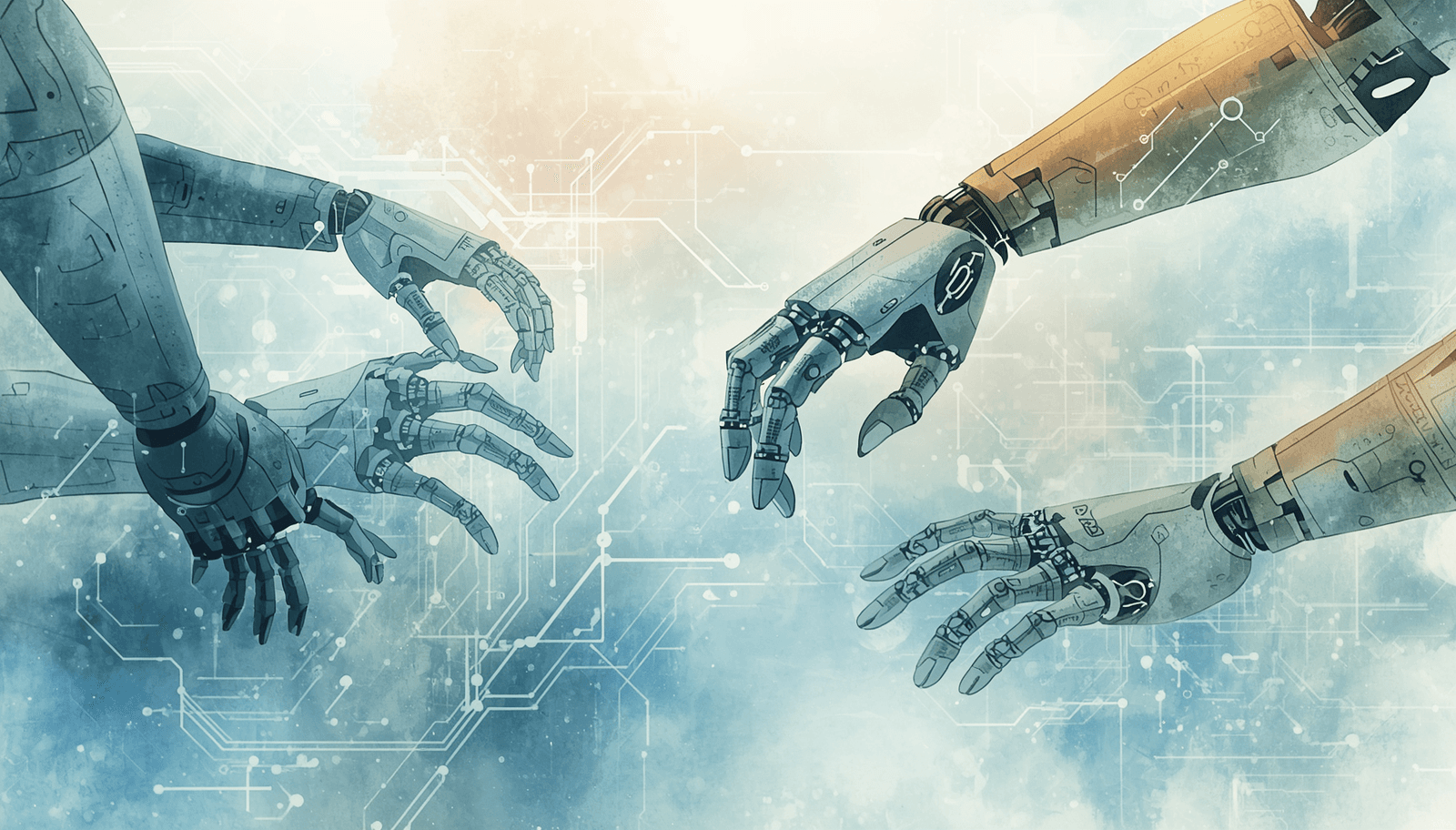
How Artificial Intelligence Is Transforming Workplace Productivity
Artificial intelligence is rapidly changing how professionals perform their daily tasks. In many industries, AI-powered tools are now assisting employees with activities that once required significant time and manual effort. These technologies allow professionals to automate repetitive work, organize information efficiently, and make more informed decisions.
Workplace productivity has always depended on how effectively individuals manage their time and resources. However, modern AI tools provide new capabilities that significantly enhance these efforts. Instead of spending hours performing routine administrative tasks, professionals can now rely on intelligent systems that complete these tasks quickly and accurately.
Across industries such as marketing, finance, technology, healthcare, and education, organizations are increasingly integrating AI-powered platforms into their workflows. These tools can analyze large datasets, generate reports, assist with writing tasks, schedule meetings, and even support decision-making processes.
For professionals in Africa and other emerging markets, AI tools also provide opportunities to compete globally. With the help of intelligent automation, individuals can complete complex tasks more efficiently and deliver higher-quality work in shorter periods of time.
Research from the McKinsey Global Institute suggests that artificial intelligence could significantly increase global productivity by automating routine tasks and supporting human decision-making.
AI technologies are not intended to replace human professionals. Instead, they function as productivity partners that assist individuals in focusing on strategic thinking, creativity, and problem-solving.
Our article on AI Tools Professionals Should Learn in 2026 explores how artificial intelligence is becoming an essential digital skill for modern careers:
Understanding how to use AI tools effectively can therefore provide professionals with a major advantage in today’s competitive job market.
In this guide, we explore several AI tools that professionals can use to improve productivity and streamline their work processes.
AI Writing Assistants for Content and Communication
One of the most widely used categories of AI productivity tools involves writing assistants. Professionals in nearly every industry rely on written communication to share ideas, create reports, prepare presentations, and interact with clients or colleagues.
AI writing assistants use advanced language models to help professionals generate text quickly and efficiently. These tools can draft emails, summarize documents, create marketing content, and assist with brainstorming ideas.
For example, ChatGPT helps professionals generate written content, analyze information, and produce detailed explanations for complex topics. Many organizations now use AI writing assistants to speed up research and content creation tasks.
Another widely used tool is Grammarly, which analyzes written communication and suggests improvements to grammar, tone, and clarity. This helps professionals ensure that emails, reports, and presentations maintain high standards of professionalism.
Writing assistants are particularly valuable for professionals who frequently create digital content such as marketers, journalists, consultants, and educators. These tools help reduce the time required to draft documents while maintaining quality and clarity.
However, professionals should still review and refine AI-generated content carefully. While AI tools can produce helpful drafts, human judgment remains essential for ensuring accuracy and relevance.
Research from the Stanford University indicates that AI writing tools can significantly increase productivity when combined with human oversight and editing.
Our guide on How to Become a More Productive Professional explains how technology and structured workflows can improve efficiency in modern workplaces:
By integrating AI writing assistants into daily workflows, professionals can streamline communication and focus more on strategic tasks.
AI Tools for Task Management and Organization
Managing multiple responsibilities at once can be challenging for professionals in any industry. Projects often involve numerous tasks, deadlines, and collaborative efforts that must be coordinated effectively. AI-powered task management tools help professionals organize their workflows and track progress more efficiently.
Traditional task management systems required users to manually organize projects and update progress. Modern AI-enhanced platforms now provide intelligent assistance that helps professionals prioritize tasks, analyze workloads, and recommend optimal schedules.
One widely used productivity platform is Notion. Notion allows professionals to organize notes, tasks, documents, and project information in a single digital workspace. With AI features integrated into the platform, users can automatically generate summaries, organize notes, and track project milestones.
Another popular task management tool is Trello, which uses visual task boards to help teams coordinate projects. Trello allows professionals to assign tasks, track deadlines, and monitor project progress through collaborative workflows.
AI capabilities within these tools allow professionals to automate repetitive administrative tasks such as updating task lists or generating reminders for upcoming deadlines.
Automation tools also play an important role in productivity. For example, Zapier enables users to connect multiple applications and automate processes such as sending notifications, updating spreadsheets, or transferring data between platforms.
By automating repetitive processes, professionals free up time for higher-level activities such as strategic planning, creative problem-solving, and professional development.
Research from the Harvard Business Review indicates that effective task management systems significantly improve organizational productivity and team coordination.
Our guide on Time Management Strategies for African Professionals explains how structured task management systems help individuals prioritize responsibilities and maintain focus:
AI-powered organization tools therefore provide a powerful way for professionals to manage complex workflows and maintain productivity across multiple projects.
AI Tools for Research and Data Analysis
In many professional roles, gathering and analyzing information is an essential part of decision-making. Researchers, analysts, marketers, and business leaders often rely on data to understand trends, evaluate performance, and develop strategies.
Artificial intelligence has significantly improved the speed and accuracy of data analysis. AI-powered research tools can process large datasets quickly and identify patterns that would otherwise require extensive manual analysis.
For example, Tableau enables professionals to transform complex datasets into visual dashboards that reveal trends and insights. These visualizations help organizations interpret information more easily and make informed decisions.
Another widely used data analytics tool is Power BI. Developed by Microsoft, Power BI allows professionals to integrate data from multiple sources and generate interactive reports that support strategic planning.
AI-driven research tools also help professionals summarize large volumes of information quickly. Instead of manually reviewing hundreds of pages of reports or research articles, AI systems can extract key insights and present concise summaries.
These capabilities are particularly valuable for professionals working in consulting, finance, marketing, and technology sectors where data-driven decisions are critical.
Research from the World Economic Forum highlights data literacy and analytics as essential competencies for professionals in the digital economy.
Our article on Free Platforms to Learn Digital Skills Online explains how professionals can develop the technical skills required to use modern data analysis tools effectively:
By using AI-powered research and analytics tools, professionals can make more informed decisions and respond quickly to emerging opportunities or challenges.
AI Tools for Meeting Management and Scheduling
Meetings are an essential part of professional collaboration. Teams rely on meetings to coordinate projects, discuss ideas, review progress, and make decisions. However, poorly managed meetings can consume valuable work time and reduce productivity.
Artificial intelligence is helping organizations manage meetings more effectively by automating scheduling, summarizing discussions, and capturing key decisions.
Scheduling meetings has traditionally required multiple emails or messages to coordinate availability among participants. AI-powered scheduling tools simplify this process by automatically identifying suitable time slots based on participants’ calendars.
One example is Calendly. Calendly allows professionals to share scheduling links that automatically display their availability. Participants can select meeting times without the need for back-and-forth communication.
AI-powered meeting assistants are also becoming increasingly popular. Tools such as Otter.ai automatically record and transcribe meetings in real time. These transcripts allow participants to review discussions later and ensure that important details are not forgotten.
Meeting assistants can also summarize conversations and highlight key action items. This helps teams maintain clear accountability and track follow-up tasks after meetings conclude.
These technologies are particularly useful for remote teams where meetings often occur across different locations and time zones.
Research from the Stanford University suggests that structured meeting management significantly improves team productivity and decision-making efficiency.
Our guide on How to Become a More Productive Professional explains how organizing meetings effectively contributes to better time management and workflow efficiency:
By using AI-powered scheduling and meeting tools, professionals can reduce administrative work and focus more on productive collaboration.
AI Tools for Creative Work and Content Production
Creativity plays an important role in many professional fields including marketing, design, media, and product development. Artificial intelligence is now supporting creative professionals by assisting with idea generation, visual design, and multimedia production.
AI-powered creative tools allow individuals to produce high-quality content more efficiently while exploring innovative ideas.
One widely used design platform is Canva. Canva integrates AI features that help users generate visual content, design presentations, and create marketing materials quickly. These features are particularly valuable for professionals who need professional-quality graphics but may not have extensive design experience.
AI image-generation technologies also allow professionals to create visual concepts using text prompts. For example, DALL·E enables users to generate unique images based on written descriptions.
Creative professionals such as marketers, content creators, and educators often use these tools to develop visual ideas and enhance presentations.
Video production has also been influenced by artificial intelligence. Platforms such as Descript allow users to edit audio and video content by editing text transcripts. This simplifies the editing process and reduces the technical complexity of video production.
AI-powered creative tools therefore help professionals focus on conceptual thinking while automation handles many technical aspects of production.
Research from the MIT Technology Review suggests that AI-assisted creativity is becoming increasingly important in industries where digital content and media play a major role.
Our article on AI Tools Professionals Should Learn in 2026 explores how creative AI technologies are expanding opportunities for professionals across multiple industries:
By combining human creativity with AI-powered design and production tools, professionals can produce high-quality content more efficiently and experiment with new ideas.
Best Practices for Using AI Tools Productively
Artificial intelligence tools offer powerful capabilities that can significantly enhance workplace productivity. However, simply adopting AI tools does not automatically improve efficiency. Professionals must learn how to integrate these technologies into their workflows thoughtfully in order to maximize their benefits.
One important best practice involves understanding the strengths and limitations of AI tools. While artificial intelligence can automate many tasks such as writing drafts, analyzing data, or organizing information, human judgment remains essential for evaluating accuracy and making final decisions.
Professionals should therefore treat AI as an assistant rather than a replacement for human expertise. AI-generated outputs should be reviewed carefully to ensure that information is accurate and appropriate for the context.
Another important strategy is selecting the right tools for specific tasks. With many AI platforms available, professionals should choose tools that align with their work responsibilities. For example, writers and marketers may benefit from AI writing assistants, while analysts may rely more heavily on data visualization tools.
Training and continuous learning are also essential for using AI tools effectively. Many organizations provide training programs that help employees understand how to incorporate AI technologies into their workflows. Professionals who actively explore these tools often discover new ways to streamline their work processes.
Maintaining data security and ethical responsibility is another important consideration. AI tools often process sensitive information, which means professionals must follow organizational guidelines and privacy regulations when using these technologies.
According to research from the World Economic Forum, responsible and strategic use of artificial intelligence will be a critical factor in shaping the future of work.
Collaboration between human professionals and AI systems often produces the best results. When individuals combine creativity, critical thinking, and domain expertise with AI-powered analysis and automation, they can achieve higher productivity and more innovative outcomes.
Our guide on Emotional Intelligence in the Workplace explains how human skills such as empathy, communication, and ethical judgment remain essential even as technology advances:
By applying thoughtful strategies and continuous learning, professionals can harness the power of AI tools while maintaining the human insight that drives meaningful progress.
Conclusion
Artificial intelligence is rapidly transforming the way professionals approach productivity. Across many industries, AI-powered tools are helping individuals automate routine tasks, organize information more effectively, and analyze data with greater speed and accuracy.
From writing assistants and project management platforms to data analytics systems and creative design tools, AI technologies offer a wide range of capabilities that can significantly enhance workplace efficiency.
However, the true value of AI tools emerges when they are combined with human skills such as creativity, critical thinking, and collaboration. Professionals who learn to integrate artificial intelligence into their workflows can focus more on strategic thinking and innovation while automation handles repetitive tasks.
As organizations continue adopting digital technologies, the ability to work effectively with AI tools will become an increasingly valuable skill for professionals across many fields.
By exploring these technologies, developing digital literacy, and applying best practices for responsible AI use, professionals can enhance their productivity and remain competitive in evolving labor markets.
Frequently Asked Questions (FAQ)
What are AI productivity tools?
AI productivity tools are software platforms that use artificial intelligence to automate tasks, analyze data, generate content, and improve efficiency in professional workflows.
Can AI tools replace human workers?
Most AI tools are designed to assist professionals rather than replace them. They automate repetitive tasks while humans provide creativity, judgment, and decision-making.
Which AI tools are most useful for professionals?
Common AI productivity tools include writing assistants, task management platforms, data analysis tools, and automation software.
Are AI productivity tools difficult to learn?
Many modern AI tools are designed with user-friendly interfaces, making them accessible even to individuals with limited technical experience.
How can professionals start using AI tools?
Professionals can start by exploring widely used platforms such as AI writing assistants, project management tools, and analytics platforms to improve daily workflows.